
How California’s Drought Regulations Affect Your Plumbing
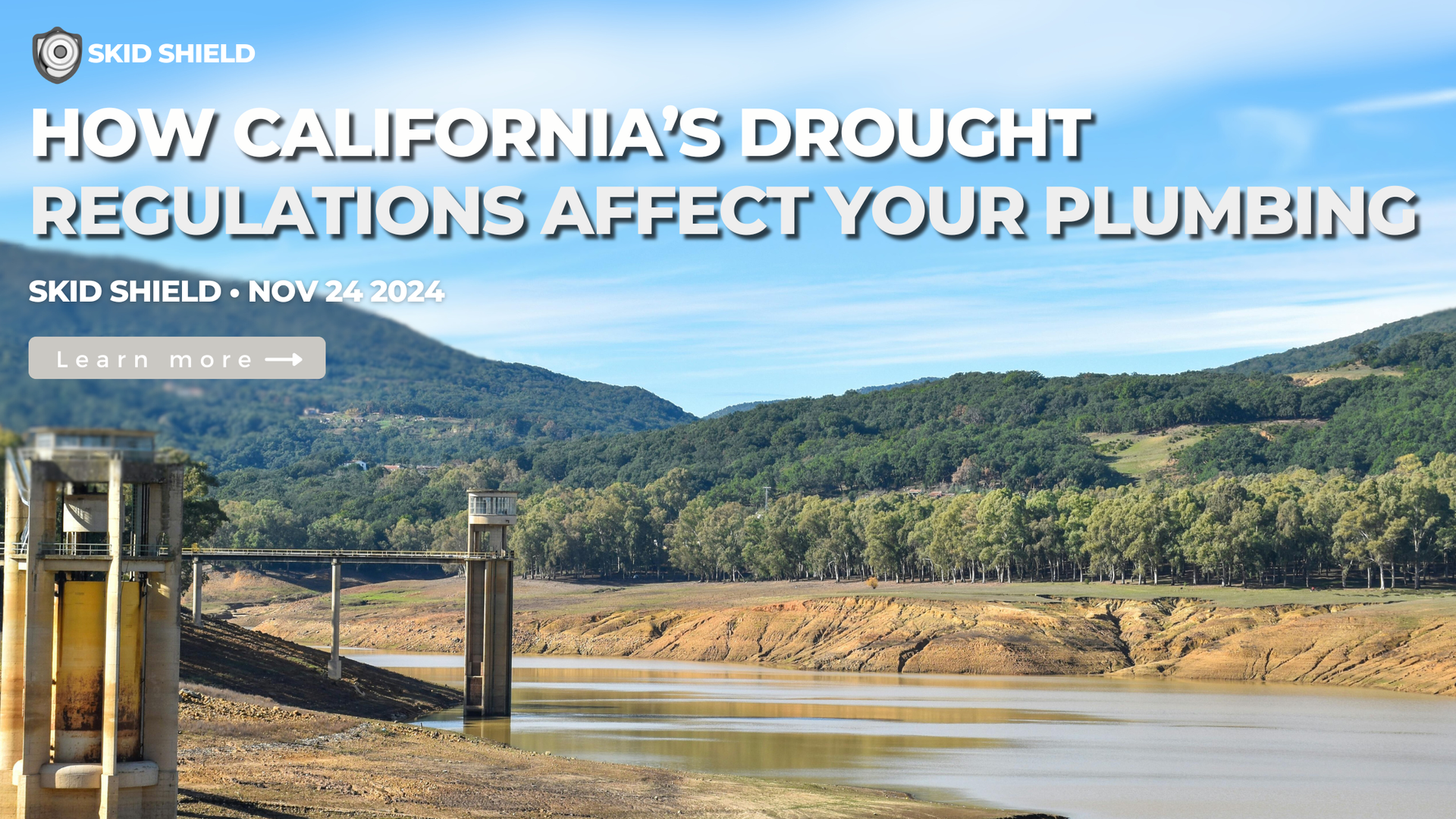
California’s ongoing drought cycles have reshaped how residents use—and conserve—water. While outdoor watering restrictions usually get the most attention, many homeowners don’t realize that drought regulations also have a direct impact on their home’s plumbing systems. From mandatory fixture upgrades to increased wear on pipes, California’s water policies influence how your plumbing performs, how often it needs maintenance, and even the appliances you’re allowed to install.
This guide explains how drought regulations affect your home’s plumbing and what you can do to stay compliant, efficient, and protected.
1. Low-Flow Fixtures Are Now Standard
During drought declarations, California enforces or tightens requirements for water-efficient plumbing fixtures. Even outside of drought years, these standards remain in place statewide.
What homeowners should know:
- Toilets are generally required to use 1.28 gallons per flush or less.
- Showerheads must be 1.8 gallons per minute or lower.
- Residential faucets must typically fall under 1.2 gallons per minute.
Homes built before the mid-1990s often have outdated fixtures that waste water and may no longer meet state or local requirements. Upgrading not only ensures compliance but can also substantially lower monthly water bills.
2. Reduced Water Flow Can Increase Plumbing Wear
While conserving water is essential, using less water can unintentionally stress older plumbing systems.
Common issues caused by reduced water volume include:
- More frequent drain clogs
- Higher likelihood of sewer line buildup
- Hard water mineral deposits that form faster
- Corrosion in aging pipes due to slower water movement
If your home has older galvanized, cast iron, or copper pipes, drought-driven low-flow conditions can make underlying problems more noticeable.
3. Leak Detection Requirements Are Becoming Stricter
Because even small leaks can waste thousands of gallons per year, many California water districts have implemented:
- Mandatory leak notifications
- Higher scrutiny of unusual water usage
- Incentives for installing smart leak-monitoring devices
These rules often reveal hidden problems such as slab leaks, pinhole corrosion, or aging water heaters. Early detection saves water and prevents major structural damage.
4. Water-Efficient Appliances Affect Plumbing Performance
California encourages high-efficiency appliances, particularly those certified by EPA WaterSense or Energy Star programs. These appliances use significantly less water but can change how your plumbing system behaves.
Examples include:
- Low-water dishwashers and washing machines
- High-efficiency toilets
- Tankless or on-demand water heaters
Older homes may need plumbing modifications to support these appliances, including improved venting for tankless heaters, larger drainage lines, or pressure adjustments.
5. Growing Use of Graywater and Rainwater Systems
Drought conditions have increased interest in alternative water systems such as:
- Graywater recycling (often from laundry systems)
- Rainwater harvesting
- Drip irrigation with backflow protections
While these systems can significantly reduce water use, they must comply with California plumbing codes to avoid contamination. Professional installation ensures proper backflow prevention, filtration, and drainage integration.
6. Rebates Help Offset Upgrade Costs
Many water districts and utilities offer rebates for drought-friendly improvements. These commonly include:
- High-efficiency toilets and faucets
- Smart irrigation controls
- Hot water recirculation systems
- Water-saving appliances
- Leak detection monitors
Checking available rebates before upgrading can significantly reduce project costs and accelerate payback periods.
7. Steps Homeowners Should Take Now
Here are the most effective ways to prepare your home’s plumbing system for drought regulations:
Upgrade outdated fixtures
Fixtures made before 1994 typically use far more water and may not meet current standards.
Schedule routine leak inspections
Minor leaks become costly quickly in California’s regulatory environment.
Keep drains clear
Lower water flow makes buildup and blockages more likely.
Consider water treatment
Hard water becomes more problematic when less water moves through the system.
Have a plumber assess drought readiness
A professional can evaluate older piping, water pressure, fixtures, and drainage to ensure your system works efficiently under drought conditions.
Conclusion
California’s drought regulations do more than limit outdoor watering—they shape how your plumbing system operates every day. By understanding these impacts and making proactive upgrades, homeowners can conserve water, reduce utility costs, and extend the lifespan of their plumbing systems.
Frequently Asked Questions(FAQ)
1. How do drought regulations affect home plumbing?
Reduced water use means less flow through pipes, which can lead to more clogs, mineral buildup, and added stress on older plumbing systems. Homes with aging pipes may notice issues sooner during drought periods.
2. Are low-flow fixtures required in California?
In most situations, yes. California mandates high-efficiency toilets, faucets, and showerheads in new construction, remodels, and home sales. Older fixtures often need to be upgraded to remain compliant and reduce water waste.
3. Do water-saving fixtures reduce water pressure?
Modern low-flow fixtures are designed to maintain good pressure. If pressure feels weak, it’s usually caused by old or restricted pipes rather than the fixture itself.
4. Do drought regulations increase plumbing problems?
They can. Lower water volume can contribute to sewer buildup, clogs, and corrosion in older plumbing systems. Routine maintenance helps reduce these issues.
5. Do I need a permit to upgrade plumbing fixtures?
Basic fixture swaps usually don’t require permits, but any project involving pipe changes, water heaters, or drainage modifications often does. Local building departments may have additional rules.
6. How can I tell if my home is drought-compliant?
Check the flow rates on your toilets, faucets, and showerheads. If you’re unsure, a plumber can perform a water-efficiency inspection and recommend upgrades.
7. Are rebates available for water-efficient upgrades?
Yes. Many California water districts offer rebates for high-efficiency toilets, leak detection devices, irrigation controllers, and water-saving appliances. These programs help offset upgrade costs.
8. Are graywater systems legal in California?
Yes, graywater systems are allowed, but they must follow specific plumbing codes to prevent contamination. Proper installation ensures safety and compliance.
9. Can drought conditions affect my water heater?
Low flow and hard water—both common during drought—can reduce efficiency and cause mineral buildup. Regular maintenance and descaling help extend the water heater’s lifespan.
10. How can I protect my plumbing during drought conditions?
Upgrade outdated fixtures, check regularly for leaks, clean drains, and consider adding a water softener or filtration system. These steps help your plumbing operate efficiently under reduced water flow.
Roman Fairchild
CEO, Skid Shield
Website:
skidshield.store
Email: skidshield@gmail.com